
Part of our work on the public sector
Public Sector
Why Procurement Timelines Are a Document Problem Before They Are a Policy Problem
Big Sky Consulting Group · September 18, 2026 · 6 min read
The rules are a convenient defendant
A department head needs a contract in place by spring. It is now autumn, the solicitation has not posted, and the explanation in every meeting is the same: procurement rules. Competitive thresholds, mandatory posting periods, protest windows, board approval calendars. The rules are real, and nobody in the room can change them, which is exactly what makes them such a comfortable thing to blame.
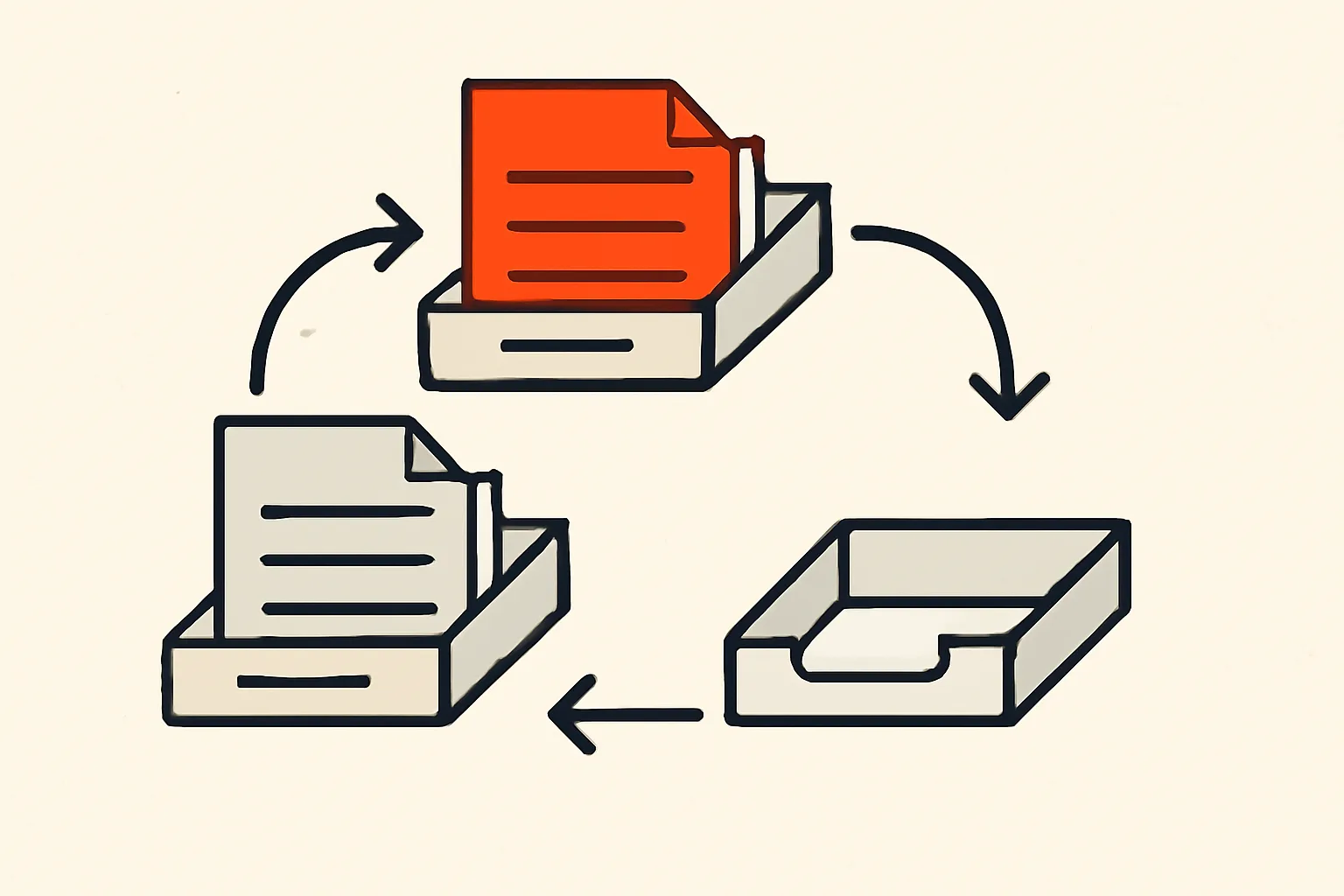
When we look at where the calendar actually goes, the rules are rarely where the months are. The months are upstream of the solicitation, in the period between "we need this" and "the RFP is posted." That period is almost entirely a document workflow: drafting a scope, circulating it, reconciling comments from departments that each hold a veto, and redrafting. Nothing in procurement law dictates how long that takes. Your agency does.
What the data says about the half nobody times
The back half of the process is shorter than most people assume. Euna Solutions analysed over 6,000 public sector RFPs run through its procurement platform and found the average took 57 days from posting to award. Seventy-eight percent closed within one to two months, and only 3 percent ran past six months. That is a vendor's dataset and should be read as one, but the shape is consistent with what we see: once a solicitation is on the street, the statutory machinery moves at a fairly predictable pace.
The front half is where the variance lives. GAO's review of federal acquisition planning found the pre-solicitation phase was the longest phase, roughly half of the total time estimated for acquisition planning in the contracts it examined. The same report found that time varied from less than a month to more than two years. And the finding that matters most: none of the agency components GAO reviewed had measured, or described in guidance, how long program offices should take to develop and approve the key planning documents.
Read that last point twice. The longest, most variable phase of buying is the one agencies have never put a clock on. A local government is usually in the same position with less staff and fewer templates.
Why the front half stretches
The pattern repeats across agencies of very different sizes, and it has a small number of causes.
The scope is written by the person with the least time. The subject matter expert who knows what the agency needs is also running the program that needs it. Drafting a scope of work competes with their actual job, and it loses most weeks. Response-management research on the vendor side attributes a large share of RFP effort to subject matter expert bottlenecks, driven by competing priorities and handoffs rather than slowness. The issuing side has the same structure and nobody measures it.
Review is serial because the document used to be a single copy. Legal reads it, then finance, then IT, then the department director, then purchasing. Each reviewer's comments can reopen something the previous one signed off. Most of those reviews are not dependent on each other. They are sequential because a Word file travels by email the way a folder used to travel by cart. We made the same point about planning departments in review routing versus cutting review stages, and it holds here almost word for word.
Nobody owns the reconciliation. When legal wants one indemnity clause, IT wants a security addendum, and the program office wants a start date that neither leaves room for, somebody has to decide. In most agencies that person is not named. The document circulates until the conflicting comments wear each other down, which can take a quarter.
Every solicitation starts from the last one. A scope is built by copying the most recent similar RFP and editing it. That carries forward every requirement a previous reviewer added for reasons nobody remembers. Each inherited clause is another thing the next reviewer has to understand before they can approve it.
None of these is a policy problem. All of them are within the authority of the agency that is complaining about its policy.
This is the general shape of the problem. Which parts apply to your process depends on answers only your systems can give.
Put us on it, from $5,000The test we would run
This is cheap, and most agencies have never done it.
Pull your last ten solicitations. For each one, find two dates you probably already have: the date the need was first identified in writing, whether that was a budget request, a memo, or an email to purchasing, and the date the solicitation posted. Then find the posting date and the award date.
Compare the two halves.
If post-to-award is the longer half, your problem really is in the formal process, and it is worth looking at evaluation panels, protest exposure, and board calendars. If the pre-post half is longer, and in our experience it usually is, then the rules are not what is slowing you down. Your review routing is.
The comparison ends the theological debate. It does not finish the diagnosis. Once a department head sees that a contract spent five months in drafting and seven weeks in procurement, the conversation about "red tape" changes character. What happens next, which reviews can run in parallel, which reviewers need a deadline with a default, which clauses can be pre-approved, depends on what your ten solicitations actually show. That part is not generic, and we would not pretend otherwise.
What not to buy first
The instinct, once the problem is visible, is to buy a procurement suite. The e-procurement vendors will tell you, accurately, that their products manage solicitations, bid intake, evaluation scoring, and award. Most of that automates the half that was already working. A tool that makes a 57-day posting-to-award window a bit tighter does very little when the scope sat in a shared drive for five months before anyone could post it.
Some suites do include drafting and approval workflow for the pre-solicitation stage. That can help, but only once the agency has decided who reviews what, in what order, and by when. Put a tool on top of an undecided routing and you get the same serial review with better notifications. We see the same failure in permitting, where automating intake before cutting the number of permit types makes a bad structure faster to submit into.
When you are evaluating a vendor in this space, ask them to show you where their product shortens the time before a solicitation posts, using data from a customer, not a demo. The general version of that discipline is in how to evaluate an AI vendor. If the answer is all about bid management, they are selling you the half you did not need.
The cost of never measuring it
A procurement delay is rarely visible as a cost, which is part of why it persists. The program runs on an expired contract, an emergency extension, or a workaround. Staff time goes into chasing reviewers instead of running the program. The vendor market notices which agencies take a year to buy and prices, or declines to bid, accordingly. None of that shows up as a line item labelled "slow drafting."
The agencies that fix this do not usually change a single rule. They time the phase nobody timed, find that a handful of reviews are carrying most of the wait, and give those reviews a clock and a default. The rules stay exactly where they were. The calendar gets shorter anyway.
It turns out the red tape was mostly track changes.
Where to start
If your department is losing months to procurement and the explanation keeps coming back to the rules, the first useful step is finding out which half of the calendar is actually long. We can help you pull those dates from your own records, map where each solicitation waited and why, and tell you honestly whether the answer is a policy change, a routing change, or a tool. Book a consult and bring your last ten solicitations.